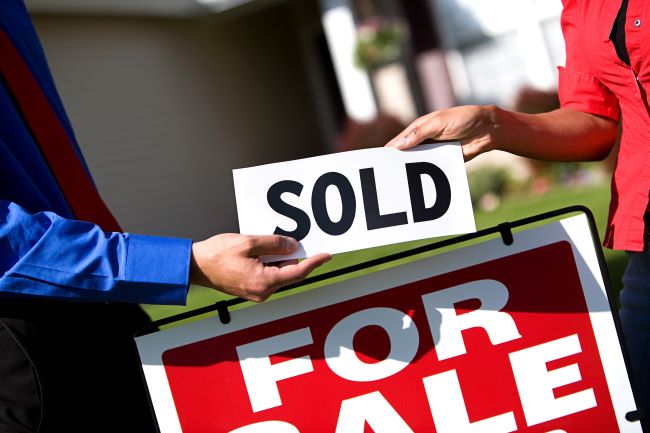
Based on existing-home inventory—which went from a cyclical annual low of a 2.3-months’ supply in 2021 and steadily rose to a 4.1-months’ rate in 2025—the National Association of Home Builders (NAHB) expects that the sales climate is gradually moving away from a seller’s market.
“We expect this rate to rise to a 4.6-months’ pace in 2026, which is in line with a balanced market range of between four and six months,” said Danielle Hale, Chief Economist at Realtor.com.
On a year-over-year basis, Realtor.com projects that existing home inventory increased 15.2% in 2025 and will rise an additional 8.9% this year, according to NAHB. Increasing inventory is also having a moderating effect on pricing. The median listing price of an existing home was $399,900 in January 2026, down 0.1% from the previous year.
Meanwhile, the mortgage rate lock-in effect—where homeowners with low, fixed interest rates are reluctant to sell because they would have to buy another home with a significantly higher current mortgage rate—is improving but still weighs on the market.
“We have reached a mortgage rate lock-in milestone where the share of mortgages greater than 6% exceeds the share below 3%,” said Hale. “But the lock-in remains a market headwind, as roughly 80% of mortgages have a rate of 6% or lower.
“We foresee slight gains in affordability this year,” she added, “with modest existing-home sales growth expected and price appreciation lower than the overall inflation rate. These factors, along with income growth and likely lower mortgage rates, will work together to improve affordability.”
Prospective buyers are still anxious
But even though 2026 began with interest rates in the low-6% range, many prospective homebuyers are still uneasy.
“Consumers are dealing with a host of issues, including policy uncertainty, home prices, job security, and rising home maintenance and insurance costs,” said Zonda Chief Economist Ali Wolf.
Delving into demographics, Wolf broke down the percentage of all first-time buyers based on their generation.
- Gen Z and younger: 35%
- Millennials: 22%
- Gen X: 19%
- Baby boomers: 20%
- Silent/Greatest Generation: 5%
Each demographic group, Wolf observed, has unique characteristics that offer opportunities and challenges.
- Gen Z and younger: Enthusiastic about homeownership but have a very low homeownership rate, constrained by affordability and high student loan debts.
- Millennials: While roughly 50% are homeowners, have some equity, and are looking for a first or second move-up home, the other half are renting and weighing whether it is more cost-effective to rent vs. owning a home.
- Gen X: They are relatively wealthy consumers but many still have an attractive mortgage lower than today’s prevailing rates.
- Baby boomers: Boomers also have relative wealth, but they don’t have to move, and they are very discretionary shoppers.
Summarizing the conditions that will allow consumers to feel more confident about buying a home, Wolf said it all comes down to one word: stability. “Stability from policymakers; stability in the labor market so that people are confident that their job is safe and/or they can find a new one easy enough; stability that interest rates will stay steady and won’t move lower, which would keep buyers on the sidelines; and stability in home prices so that a home will be a steadily appreciating asset,” Wolf explained. “These are the market conditions that will move hesitant buyers off the sidelines.”
About the National Association of Home Builders
The National Association of Home Builders (NAHB) is a Washington-based trade association representing more than 140,000 members involved in homebuilding, remodeling, multifamily construction, property management, subcontracting, design, housing finance, building product manufacturing, and other aspects of residential and light commercial construction. NAHB is affiliated with 700 state and local homebuilders associations around the country. NAHB’s builder members will construct about 80% of the new housing units projected for this year.