QUESTION
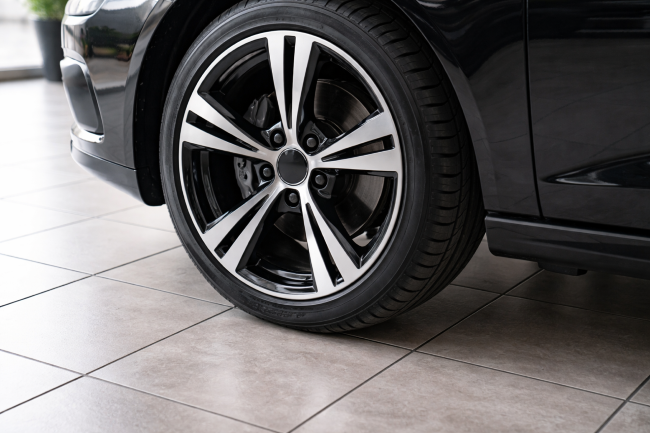
I have a customer who wants their concrete garage floor tiled. Aside from standard prep (grind/clean concrete, ensure flatness) and proper setting techniques (correct thinset, coverage, expansion, etc.), is there anything exclusive to installing tile in areas subject to vehicle load? Any particular recommendations on products (I would assume porcelain, freeze/thaw-stable) or underlayments (I usually use DITRA) to consider?
ANSWER
All of your assumptions are 100% accurate, and you are clearly on the right track.
A successful garage tile installation starts not only with a clean concrete slab, but also a flat concrete substrate that meets ANSI A108 flatness requirements for the selected tile size. Grinding, cleaning, and verifying flatness are critical first steps.
Both Schluter-DITRA and Schluter ALL-SET are rated for this type of installation when installed strictly per the manufacturer’s instructions, including substrate preparation, trowel selection, coverage, and curing requirements.
From a tile standpoint, it is important to verify the intended use with the tile manufacturer, specifically confirming suitability for vehicular traffic. That said, your inclination toward a porcelain tile that is freeze/thaw-stable is appropriate.
The installation should achieve 95%–100% mortar coverage, particularly given the point loads and rolling loads associated with vehicles. In addition, movement accommodation is critical. Follow TCNA EJ171, which requires:
- A sealant joint around the entire perimeter.
- Movement joints in the field every 12’ in each direction for exterior or garage-type conditions, and more frequently if exposed to temperature swings or sunlight.
There are no special “garage-only” tile methods beyond what you’ve already outlined; however, garages are considered high-stress environments, so strict adherence to substrate preparation, material selection, coverage requirements, and movement joints is essential for long-term performance.
Overall, your approach—proper concrete prep, appropriate uncoupling, verified porcelain tile selection, full coverage, and correct expansion detailing—is exactly what the industry standards and manufacturers support.