Despite significant declines in granite and marble exports caused by increased U.S. tariffs, Brazil’s natural stone sector recorded its highest export volume ever in November: $1.35 billion USD from January to November, according to data from the Brazilian Natural Stone Association (Centrorochas). This figure surpasses the previous record set in 2021 of $1.34 billion USD and reflects the effectiveness of institutional actions that helped contain losses and sustain industry growth.
With an 18.7% increase over the same period last year, the 2025 results highlight the resilience of the Brazilian industry, which continued expanding despite external constraints, solidifying the country’s position among the world’s leading suppliers of natural surfaces.
Tariff hike doesn’t dethrone the U.S. as leading market
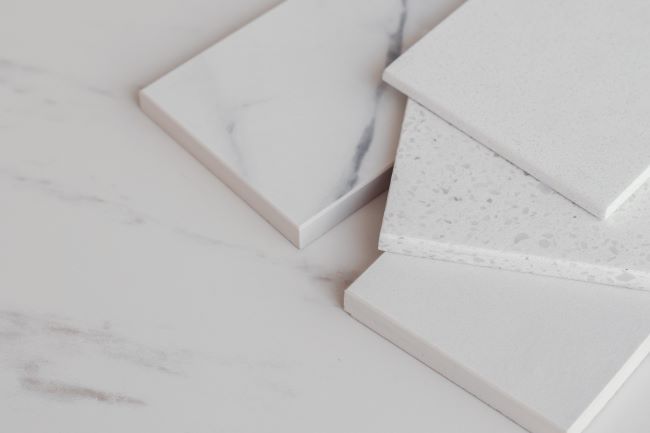
The United States remains the largest importer of Brazilian stones, accounting for 54.4% of exports and $735.4 million USD imported between January and November (+15.7%). The U.S. market continues to be the top consumer, predominantly using the materials for kitchen and bathroom countertops.
However, performance could have been stronger if not for the additional 50% tariffs imposed by the U.S. government since August. This measure directly impacted a significant portion of Brazil’s export portfolio. By November, categories subjected to the surcharge showed notable declines, with granite falling by 17.3% and marble by 16.5%, diminishing their competitiveness in the American market.
Despite this challenging environment, products classified under the only tariff exemption code (HTSUS 6802.99.00) maintained strong demand, especially quartzites, which grew by 39% during the period. This pattern helped sustain Brazilian exports to the U.S. and highlights the country’s diversified portfolio, stemming from the world’s richest geodiversity of natural stones—capable of serving various consumption levels and global applications—while underscoring the national industry’s resilience.
China and Italy propel Brazil’s reach
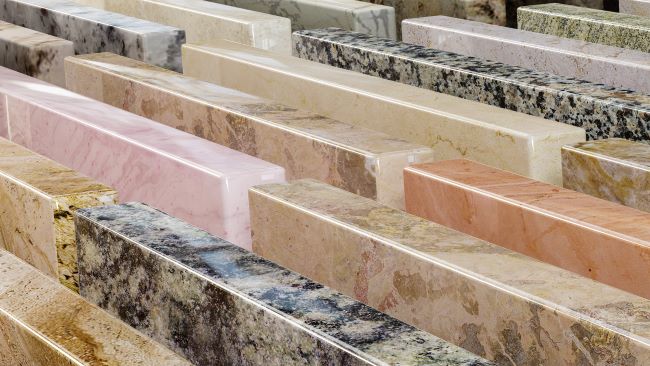
China, with a 16.6% market share ($224.8 million USD; +13.6%), and Italy, with a 7.8% market share ($106.0 million USD; +46.3%) reinforce Brazil’s role as a key supplier to major stone processing and re-export industries. Both countries primarily import raw blocks, which are processed locally and then distributed to multiple markets.
This model proves particularly relevant in destinations where direct Brazilian exports face logistical hurdles such as long distances, high transport costs, and extended delivery times, thereby expanding the international presence of Brazilian stones through these industrial hubs. The pronounced growth in Italian imports especially reflects the rising international appreciation of Brazilian materials.
Accelerated international expansion
Beyond commercial results, 2025 saw strategic progress in the internationalization of Brazil’s natural stone sector. The Middle East, a region known for high-end architectural projects and significant infrastructure investments, has emerged as a main growth axis.
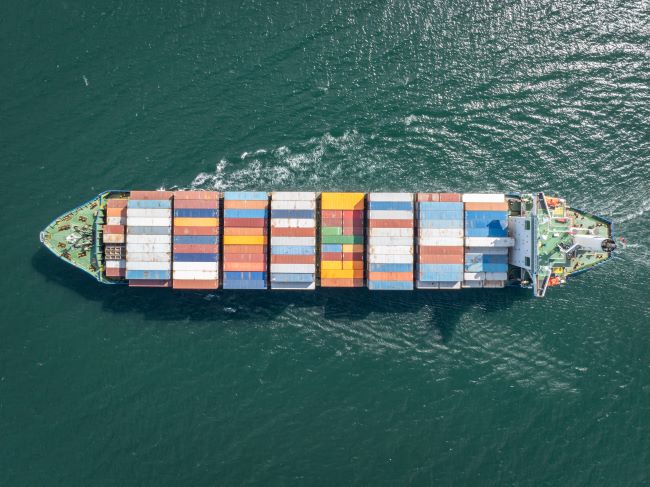
This momentum was further driven by the impact of U.S. tariffs, which highlighted the importance of diversifying markets and reducing reliance on any single destination. Heightened regional demand and the inauguration of a direct maritime route between Rio de Janeiro and Abu Dhabi—the first in over 25 years—cut shipping time from about three months to just 30 days and substantially boosted Brazil’s logistical competitiveness.
In this context, plans for the Brazilian Natural Stone Hub have advanced. In 2025, Centrorochas signed a Memorandum of Understanding (MoU) with Abu Dhabi Port. This new maritime route positions Abu Dhabi as the most promising hub, though other emirates remain under evaluation.
The Hub is being designed to serve not only the United Arab Emirates but also several Middle Eastern countries, functioning as a strategic base for storage, exhibition, and distribution. The sector is currently in the feasibility study and business model definition phase, an essential step before the planned implementation in 2026.
“The results through November demonstrate the strength of our industry and the importance of the collective effort we have undertaken to strengthen the sector’s international presence,” said Centrorochas President Tales Machado. “In a year marked by challenges, especially in the United States, we worked intensively to mitigate the impact of tariff hikes, progressed in consolidating new markets, and expanded our presence in the Middle East, a region where Brazil still has limited direct representation, since much of our material arrives through geographically closer countries.
“The 2025 record is a shared achievement across the entire production chain and reaffirms the natural stone sector’s commitment to supplying high-quality, high value-added materials to the global market. We enter 2026 with positive expectations and a strong focus on expanding our direct presence in strategic regions, further strengthening Brazil’s international footprint,” he added.
About Centrorochas
A Associação Brasileira de Rochas Naturais (Centrorochas, Brazilian Natural Stone Association) is a national entity managed by the entrepreneurs themselves. Focused on business and corporate activities in the international market, it seeks to work on collective issues, encourage exports, and reduce bureaucracy in the natural stone segment. Founded in 2004 in Vitória, capital of the State of Espírito Santo—the largest exporter of ornamental stones in Brazil—Centrorochas acts directly in the procedures related to the presence of Brazilian businessmen abroad, as well as with the international visibility of national products in the international market, combined with commercial and operational activities related to the development of the stone sector in the Brazilian market.