


At the end of a long career, most tile and stone professionals can point to a few little scars that came with the job. The bigger concern isn’t the cuts and scrapes—it’s the damage that builds over time. That ringing in your ears after years around saws and grinders. The knee that reminds you of every floor you’ve ever installed. The dust you barely notice while you’re working, but feel when coughing later. The close call with a flying chip that happened so fast there wasn’t time to react.
These aren’t new hazards. They’re part of a trade that demands skill, precision, and physical endurance. While techniques, tools, and materials change, one constant remains: protecting yourself is just as important as the finished work.
Personal protective equipment (PPE) is often discussed as an OSHA compliance issue. While compliance is important, PPE is really more about the person using it. The goal isn’t to just get through the day. It’s making sure you can continue doing the work you enjoy years from now, and also have an active and healthy life after you choose to stop working.
Dust: the hazard that stays behind
Dust doesn’t generally feel like an urgent issue; a little exposure during a job or cut doesn’t seem to matter. But over the years, it adds up, and effects may not appear until much later.
The industry has made real progress in controlling dust through wet-cutting methods, water delivery systems, and vacuum-equipped tools. These solutions help reduce exposure at the source and have become standard practice in the field.
Even with those controls in place, respiratory protection remains an important tool for certain tasks. But the same model can provide very different experiences depending on the worker, fit, comfort, and the work being performed. If it shifts, pinches, or needs constant adjustment, it’s hard to keep on for a full workday and likely won’t get worn as often as it should, or at all. The best respiratory protection fits well enough to become part of the work rather than become a distraction from it.
The eye hazard you don’t see coming
For tile and stone professionals, eye protection is essential on every job. But does it match the task at hand?
Eye injuries happen in an instant. A chip from a grinder or a fragment from cut tile can happen without warning, and there’s usually no time to react once it’s airborne. That’s why coverage, fit, visibility, and comfort all matter.
A day spent setting tile in a finished space presents different risks than demolition, fabrication, grinding, or dry cutting. Depending on the work, that could mean safety glasses with side protection, goggles for dust or splash, or face protection for flying debris. As the work changes throughout the day, eye and face protection may need to change too.
Like any tool used daily, protective eyewear performs best when it’s maintained. Scratched lenses, poor visibility, and uncomfortable frames can turn an important piece of protection into something workers are tempted to remove.
Your hands are part of your craft
Tile and stone work takes both strength and precision.
In a single day, your hands could be moving heavy materials, handling sharp edges, spreading mortar, operating cutting equipment, and finishing detailed work. The same glove that works well for one task may not be right for another.
That’s why many installers keep more than one glove option with them. Protection matters, but so does grip, feel, and dexterity. A glove has to help protect your hands without getting in the way of the control the job requires.
Your knees remember every floor
Few trades spend more time on their knees than tile installers.
The physical demands take a toll over years spent working on concrete slabs, bathroom floors, kitchens, patios, and commercial spaces. What starts as soreness at the end of the day can escalate into wear and tear that impacts how long and how comfortably someone can stay in the trade, and their quality of life outside work for decades to come.
That’s why knee protection transcends comfort: it helps reduce pressure, improve support, and protect a part of the body that tile professionals rely on.
Knee protection has come a long way, with better comfort, support, and weight distribution than many products offered even a decade ago. But the real test is whether the protection stays comfortable and in place, allowing the worker to move through the day.
The best knee pads or mats aren’t necessarily the most expensive or feature-rich. They’re the ones that protect without constantly slipping, bunching, or getting in the way on the job.
Safeguarding the hearing you depend on
Hearing loss is one of the easiest injuries to ignore because it builds quietly and imperceptibly—noise from saws, grinders, then a full day around compressors, fabrication equipment, and jobsite activity. Noise after work from traffic, lawn equipment, concerts, earbuds, or everyday life compounds the situation and adds up over time.
This insidious nature makes hearing loss so dangerous. You start asking someone to repeat what they’ve said, or ringing in your ears lingers after the tools are shut down, or certain sounds don’t seem as sharp as they used to.
Hearing protection isn’t just for the loudest day on the job. It’s for the repeated exposure that happens day after day, year after year. Safeguarding your hearing means recognizing that small exposures still count, and they can compound over the course of a career.
The foundation starts under your feet
Tile and stone professionals spend much of the day on their feet, lifting, carrying materials, climbing, kneeling, and moving across a variety of surfaces.
Good footwear does more than protect against dropped materials, sharp debris, or uneven footing. It helps with balance, stability, comfort, and endurance throughout the day.
Foot pain isn’t confined to your feet. It can affect how you move and carry weight, how steady you feel, and how focused or tired you are near the end of a long day, which can impact both the quality of your work and your safety. The wear and tear takes a toll over time.
Footwear that provides the right support and protection helps workers stay comfortable, stable, and focused from the first cut to the final cleanup.
Protecting the career you’ve built
Craftsmanship takes years to develop. Every experienced tile setter, installer, and fabricator has invested countless hours mastering techniques, solving problems, and refining skills. PPE plays a role in protecting that investment.
Maintaining your PPE is essential. Just like tools, PPE needs to be checked, serviced, and replaced when it’s no longer doing its job properly. Taking a few minutes to inspect PPE before a project begins is no different than inspecting a saw blade or checking a tool battery. It’s part of the job.
Building habits around PPE helps reduce risk, protects your body over time, and supports the kind of work you take pride in. Because in the end, the most valuable asset on any jobsite isn’t the saw, the grinder, or the truck parked outside: it’s the person behind the work.

Cam Mackey
Throughout his career, Cam Mackey has focused on transforming nonprofits and the people who work there to deliver greater impact—from growing membership and developing new programs to building stronger capabilities around governance, strategy, team & culture, and profitability. ISEA advances standards, products, and policies that protect 127 million U.S. workers and help them return home safely every day. Before ISEA, he led Strategic & Competitive Intelligence Professionals (SCIP) and spent nearly two decades with Manufacturers Alliance (formerly MAPI).








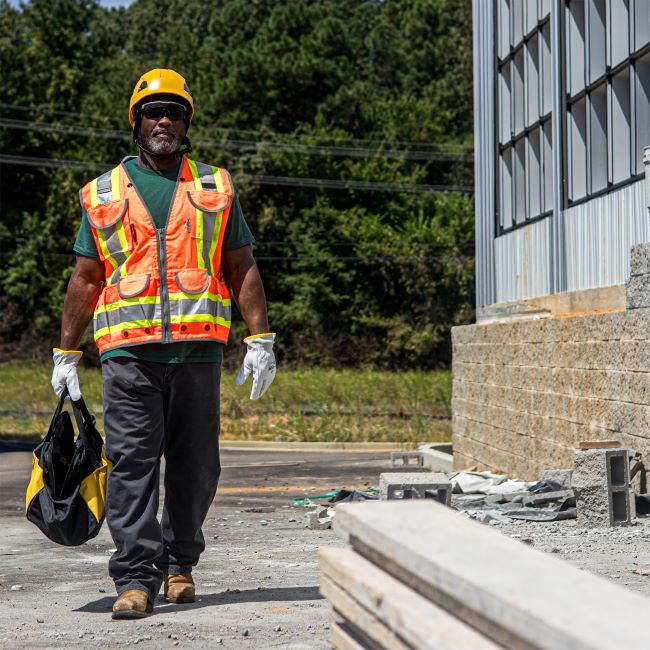
 is often discussed as an OSHA compliance issue, but it's really more about the person using it. The goal is making sure you can continue doing the work you enjoy years from now, and also have an active and healthy life after you choose to stop working. ISEA's Cam Mackey breaks down what you need to know.)