There’s a quote I love that goes like this: “If you want a new idea, read an old book.”
Lately, I’ve rekindled my love for books: the old-fashioned kind, printed on paper, solid hardcover, and the unmistakable smell of fresh ink and new pages. There’s something deeply comforting about holding a book in my hands. I might be a little old-school, but I love the ritual of turning pages, scribbling notes in the margins, and highlighting a beautiful passage with a colorful marker. It’s an experience that engages all the senses.
As you might guess, my coauthor Adrian Gostick and I are big fans of the written word. We love books.
Recently, while cleaning my office, I stumbled on a book I don’t remember buying or receiving. It was just… there … waiting for me. The title immediately caught my eye: The Pursuit of Happiness by Jeffrey Rosen.
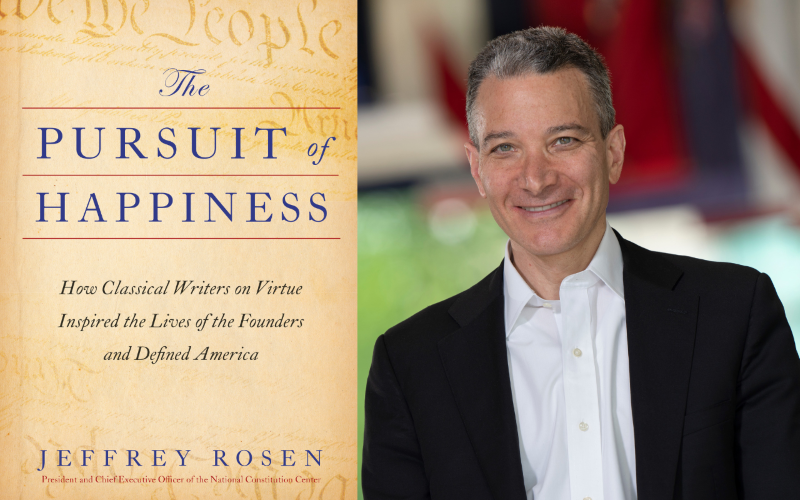
Rosen is no dummy. He graduated summa cum laude from Harvard, earned a Marshall Scholar degree from Oxford, and received his J.D. from Yale Law School. He’s also a constitutional scholar and president of the National Constitution Center. He said he became fascinated by the famous phrase from the Declaration of Independence: “Life, Liberty, and the pursuit of Happiness.” What did it mean to the Founding Fathers in the 1700s, and how has it evolved over time?
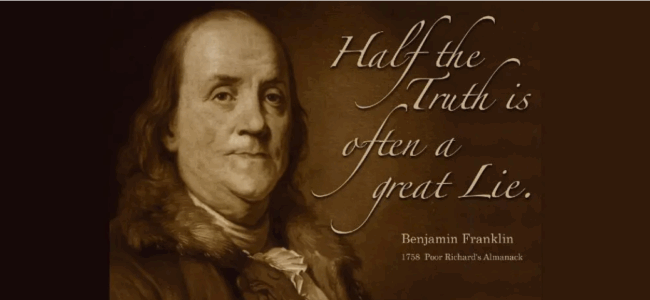
As Rosen dug into the history, he became curious about what these men were reading. Books were rare back then. They were a sign of education and wealth, so their personal libraries told a story of what they felt was important. Benjamin Franklin, for example, devoured the works of Greek and Roman philosophers like Pythagoras, Xenophon, Plutarch, and Cicero, along with Christian scripture and the daily papers.
In his early twenties, Franklin developed a list of twelve personal virtues: temperance, silence, order, resolution, frugality, industry, sincerity, justice, moderation, cleanliness, tranquility, and chastity. He later added a thirteenth: humility (inspired by his Quaker roots). At the end of each day, Franklin would reflect on these virtues, placing a black mark next to any where he felt he’d fallen short. For him, the pursuit of happiness was the pursuit of virtue.
(Now before you send me notes correcting my history, I do know that despite his noble aspirations, Franklin — like all of us — was flawed. He didn’t always live up to his ideals, but he said that by aiming high and checking in often, he lived better than he otherwise might have.)
Rosen suggests that curiosity: the kind that fuels reading, reflection, and self-inquiry was essential to real happiness. To the Founders, happiness wasn’t about comfort or entertainment, it was about developing one’s character and expanding one’s mind.
But here’s where it gets really interesting. In the final chapter of his book, Rosen asks a profound question:
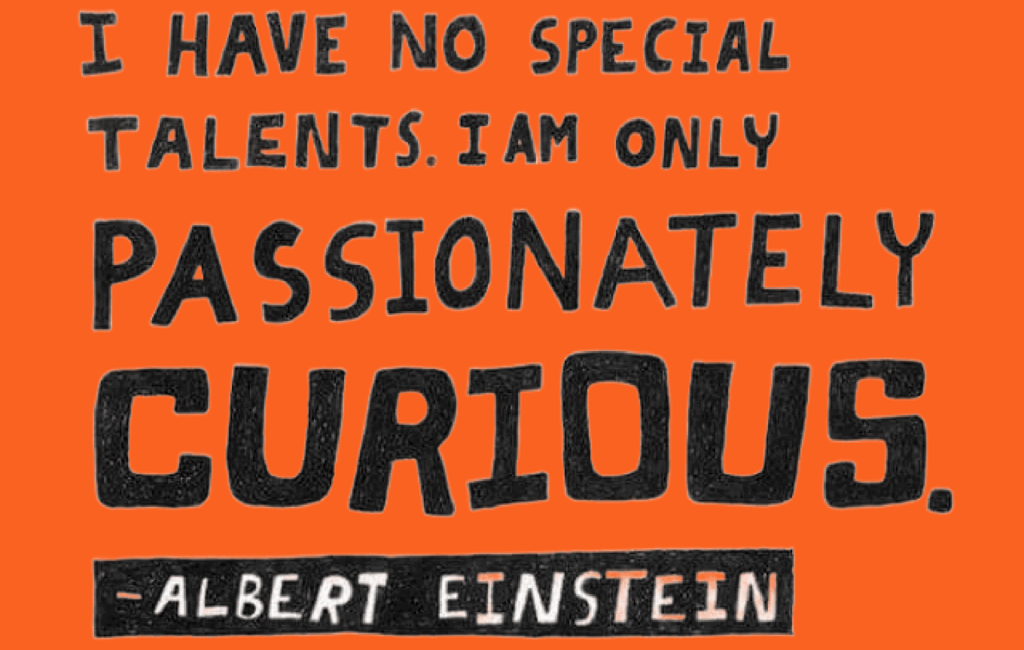
Has our definition of happiness changed?
His answer is yes, and in a significant way.
Today, Rosen believes, we often confuse pleasure with happiness. We chase entertainment, possessions, and surface-level satisfaction, believing that more of these things will make us happy. Our media, celebrities, movies, social media, and many political figures seem to champion this pleasure-seeking version of the “good life.”
But the Founding Fathers saw happiness not as something to be bought or binged, but as something to be cultivated.
Reading that made me pause. I wondered: If we could ask these founders what they think of our modern take on happiness, what would they say? Would they be impressed or a little disappointed?
So, I’ve made a small commitment to my happiness. I’m going to read more. To be a little more curious. To revisit my own virtues, especially one of the ones I probably need most right now: tranquility. How about you? Read any good books lately? What does “the pursuit of happiness” mean to you?
I’d love to hear your thoughts. Let’s start a conversation. Contact [email protected].
And thank you, as always, for reading and supporting our little newsletter. It means the world to us.
With gratitude,

Chester Elton
For business inquiries, [email protected]. Follow The Gratitude Journal on LinkedIn.