QUESTION
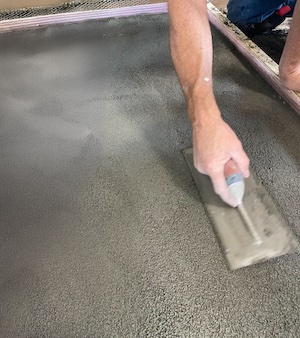
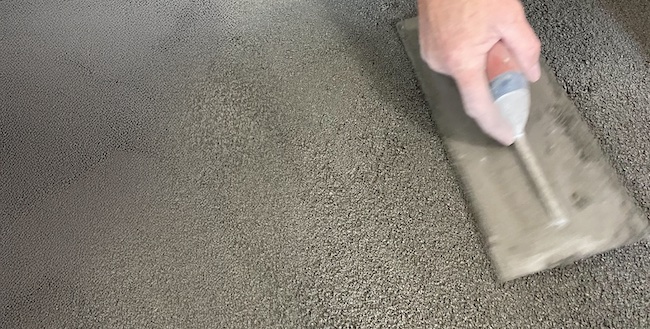
We have a dry pack shower pan that one of my new installers put in with the bonded method, using a thinset slurry over the slab. After inspecting the pan, everything sits too low by 0.75″ – 1.25″. I took out the bonding drain flange and stubbed a new 2″ pipe up so that I can install a new drain flange at a higher level.
Can I dry pack over the cured shower pan using the same method as before to get the proper height everywhere, or do I need to completely remove the mud bed down to the slab and start from scratch?
ANSWER
That’s a great question, and it’s a situation many of us mud installers have faced when our elevations weren’t quite right before floating floors. The good news is that being too low is often an easier fix than being too high, which would require a complete demolition and restart.
To float over an existing mortar bed, we first need to determine if the original installation is sound. I typically check two things:
- Soft/Improperly Compacted Mortar: I use a cold chisel to lightly scrape the top of the mortar bed. If it crumbles easily, it needs to be removed.
- Proper Bonding: I tap or lightly slide the cold chisel over the mortar bed and listen for any hollow or scratching sounds, which would indicate a poor bond.
If both of these checks are acceptable, you can proceed with the installation.
Assuming this bonding flange shower assembly also includes a shower curb, the corresponding TCNA Handbook Method is B422, found on pages 258-9 in the 2025 edition. In the Requirements section, it states that the minimum mortar thickness for bonded mortar installations is 3/4″. Additional requirements are in ANSI 108.1A-5.2 (1, 2, 3), which covers the application of mortar to concrete floors and decks.
You’ll need to dampen your existing mortar bed and then either apply a thin layer of cement slurry or dust it with dry cement, wet it, and broom the cement into a slurry over the entire mortar bed before placing the new mortar bed.
Keep in mind that 108.1A 2.33 sets the limit at 65 sq. ft. before reinforcing wire is required, and 108.1A 2.3 provides the ratio of 4 parts damp sand to 1 part Portland cement by volume.
Once these steps are complete, you’ll be ready to set your new elevations and install the new mortar bed.
This is a great teaching moment – it’s always easiest to make a quick call if we’re unsure about mortar bed elevations or finish floor heights, before we begin.