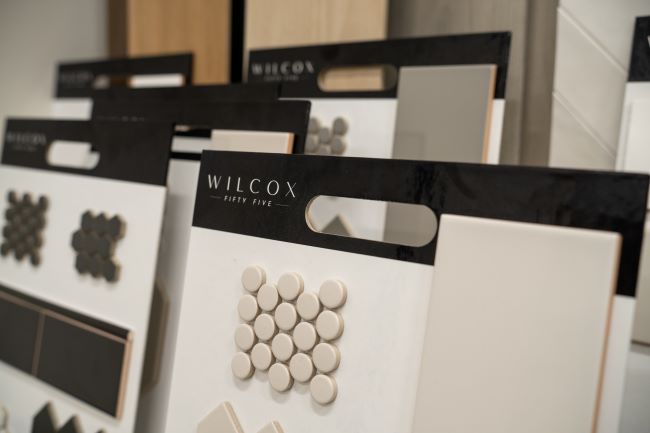
In today’s ceramic tile market, distributors are navigating a landscape defined by margin pressure, SKU proliferation, and increasing price transparency. At the same time, global sourcing has never been more volatile. Since 2019, distributors have been attempting to import tile and stone in the most turbulent market any of us can remember. With this being the deck you’re dealt, private labeling has evolved from a secondary strategy into a central pillar of growth for many distributors.
Private labeling is no longer just about putting your name on a box. It’s about controlling your assortment, protecting your margins, and strengthening your position in the channel. In short, it’s about ownership. This is a mindset change for many distributors.
Distributors have always lived in the space between manufacturer and contractor, but that space has tightened. Manufacturers have expanded their own branding efforts, while digital platforms have made price comparisons easier than ever.
Private labeling offers a clear response:
- Reduce dependence on branded price structures
- Improve landed cost through direct or strategic sourcing
- Capture margin that would otherwise remain upstream
In a category where products can quickly become commoditized (a “benefit” of ink jet printing), margin control isn’t optional; it’s required to stay in the game.
As I discussed in my April 2026 TileLetter article, “Why SKU Discipline and Channel Strategy Matter More than Ever,” one of the most overlooked challenges in tile today is SKU discipline. Manufacturers often introduce broad collections with dozens of SKUs across sizes, colors, and finishes. This may serve a global audience— manufacturers around the world have as many as 70 different markets they can export to, hence giving them a vast advantage to produce lines with multiple SKUs. However, it doesn’t always align with the realities of stocking and selling at the domestic level.
Taking control of inventory
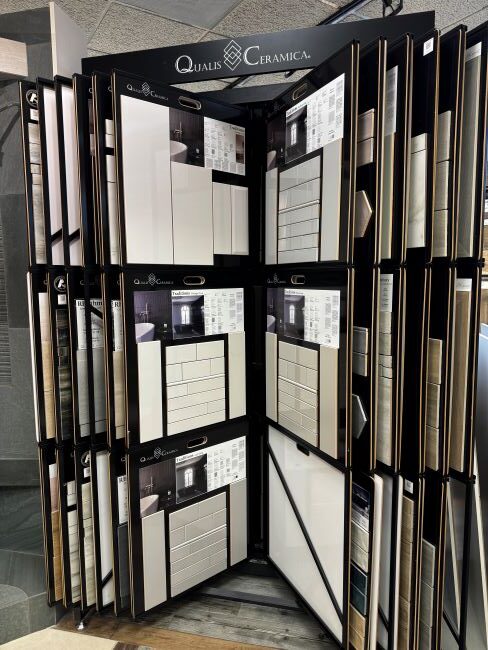
Private labeling allows distributors to take control:
- Focus on high-velocity SKUs
- Eliminate redundancy
- Align inventory with actual demand
Adaptability is another benefit. Sometimes, a relationship with a branded manufacturer may be unexpectedly short-lived. But when branded products are all you have, the ability to change is more difficult. The private label option allows you to “turn on a dime” and seek new suppliers.
Branded products, while valuable, come with a builtin challenge: they are easily comparable. A contractor or homeowner can quickly search online and find competing prices, often eroding the distributor’s ability to maintain margin.
Private labeling disrupts that cycle. When the product is exclusive to your brand, it becomes more difficult to shop, easier to position on value rather than price, and—most importantly—stronger in supporting your sales team’s credibility.
The ability to build equity
For decades, the ceramic tile industry has been driven by manufacturer brands. While those brands remain important, private labeling creates an opportunity for distributors to build equity in their own name.
A distributor’s long-term goal would be to establish their brand name in the market, hence building trust with contractors and designers, which in the end shifts demand towards the distributor’s offering and not just their inventory. Remember, when customers begin asking for your brand by name, the relationship has fundamentally changed.
Flexibility in the face of market conditions
Private labels provide a level of flexibility that branded programs often cannot. Since 2019, distributors have been managing the impact of the G.F.A.C.T. drivers: Geopolitical, Freight, Availability, Cost, and Tariffs.
Being able to change sources but not the product allows them to:
- Have products made at whichever manufacturer is the best choice at the time
- Maintain continuity of supply for core products
This optionality is a competitive advantage, especially when others are constrained. No manufacturer can perfectly anticipate every regional need. Whether it’s a specific size, a targeted price point, or a design nuance, gaps inevitably exist.
Reliability for the contractor
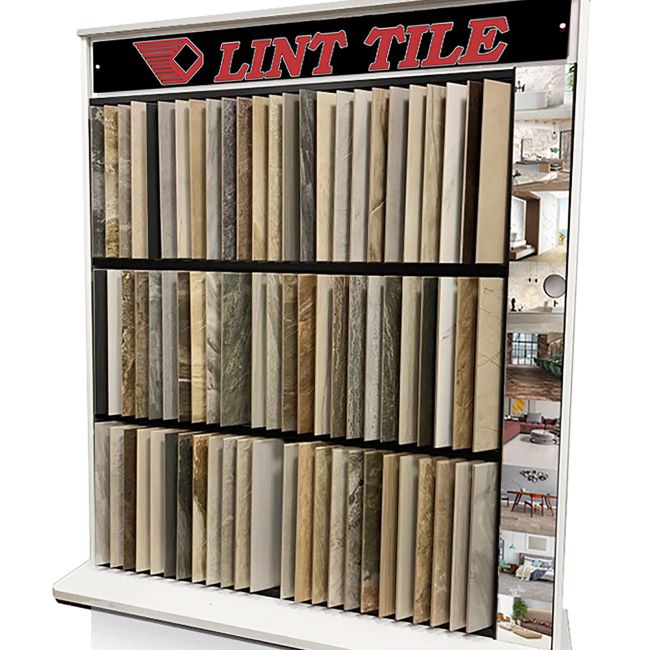
Private labeling allows distributors to respond directly:
- Introduce products tailored to local demand
- Expand into underserved price segments
- Evaluate new formats without full line commitments
In many cases, the most successful private label programs are built not on copying, but on identifying and filling these gaps. At the end of the day, the contractor values reliability above all else: product availability, consistency, and speed. When contractors know they can rely on your product, your brand becomes part of their workflow, not just a purchase decision.
Challenges and complementary relationships
Private labels are not without their challenges. With greater control comes greater responsibility:
- Quality assurance must be consistent.
- Specifications must be clearly defined.
- Claims and performance issues fall on the distributor.
Success requires discipline in sourcing, strong supplier relationships, and a clear commitment to brand integrity.
Private labeling is not a replacement for manufacturer partnerships, it’s a complement. The strongest distributors balance both, leveraging branded products where they add value and private labeling where control and differentiation matter most. In a market that continues to evolve, the distributors who succeed will be those who take ownership not just of their inventory, but of their strategy.
Own the SKU. Own the margin. Own the customer. That is the power of private labeling.

Joe Lundgren
Joe is a globally recognized product and marketing expert in the ceramic and stone worldwide markets. He is the owner of Joseph Lundgren Consulting and his specialty is Business Development, Product Management, and Marketing