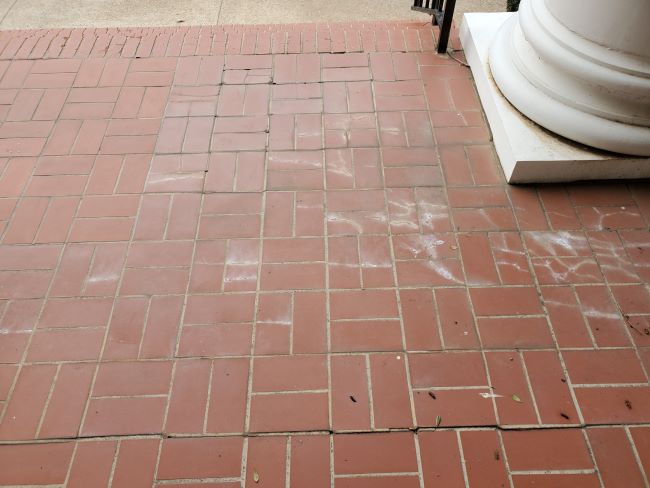
The beauty and functionality of ceramic tile installations demonstrate the versatility and longevity of tile. Tile installations function well when American National Standards Institute (ANSI) requirements along with Tile Council of North America (TCNA) Handbook methods and industry-accepted best practices are followed. And exterior projects completed where freezing temperatures are expected require extra diligence.
A word of caution
As we move through this discussion, we need to understand that there are no approved TCNA Handbook methods for installing exterior floor tile over a wood structure, wood subfloor, or wood underlayment. If these components are part of a proposed project, always consult the architect/design professional for written clarification and the manufacturer of the designated products for their written instructions and warranty.
There is, however, one exterior wall method (W244E) in the TCNA Handbook that specifically calls for cement backer board meeting ANSI A118.9 or American Society for Testing and Materials (ASTM) C1325 (Type A) to be installed over wood or metal studs. Additionally, the Requirements section of W244E states, “Water-resistive barrier or waterproof membrane required, per building code. See Membrane Options.”
Structure suitability
ANSI A108.01-2.1.1 Responsibilities of Other Parties states: “The owner shall communicate in writing to the design professional and/or general contractor the intended use of the tile installation. The design professional and/or general contractor shall provide the project design necessary for the expected live load, concentrated loads, impact loads, and dead loads including weight of the tile and setting bed.
The tile contractor shall not be responsible for structures or substrates not compliant with applicable building codes, or for verifying compliance with applicable building codes unless the tile contractor designs and installs the backing assembly including the structure and/ or substrate.”
Membranes and waterproofing
The TCNA Handbook exterior methods all state: “Use of a membrane is optional. See membrane options.” That statement sounds counterintuitive until you realize that the TCNA Handbook could not list all the installation possibilities encountered in the field.
The Membrane Options header within the Exterior Balcony/ Deck Floors section in the Handbook declares: “A waterproof membrane (A118.10) may be specified to prevent moisture intrusion. Specifier shall indicate if complete waterproofing is required, including if/ how membrane connects to drain assembly, if base flashing is required, and treatment at other termination points…Check with membrane manufacturer for suitability for applicable conditions, as not all membranes are suitable for exterior use…”
Always follow the manufacturer’s instructions.
Water management
Common sense tells us that water always wins unless we control it. This is especially true on exterior work. Water must always flow away from the structure to the edge of the installation, gutter, or drain. Water allowed to remain on the tile surface in cold climates will freeze, expand, and eventually cause the system to fail.
Depending on the application of exterior floors, the TCNA Handbook states, “Slope slab for complete drainage,” or “Slope deck surface minimum 1/4” per foot,” to effectively evacuate water from the tile surface.
Flashing
If applicable, flashing must be included where the field tile or base meets the building structure and receives the appropriate sealant. Always follow the project specifications and the manufacturer’s written instructions.
Applicable standards and methods
ANSI A108.5 requires the maximum contact of mortar on the back of each tile: contact area on all exterior installations shall not be less than 95%. The Exterior Balcony/Deck Floors – Limitations section of the TCNA Handbook states the following: “Where the installation will be subjected to freeze-thaw cycles, snow and ice accumulation, and/or snow melting chemicals, degradation can occur over time.”
Temperature
Many installers have been in a situation where the owner or general contractor is pushing the tile contractor to get an exterior tile job completed before winter weather and low temperatures arrive, which can be a recipe for failure. All setting material manufacturers clearly list the temperature requirements for a tile installation on the product bag and the technical data sheet. Most dry-set mortar manufacturers require the working temperature to be a minimum of 40° F (4° C) or higher, and maintain that temperature for 72 hours after installation.
Appropriate materials
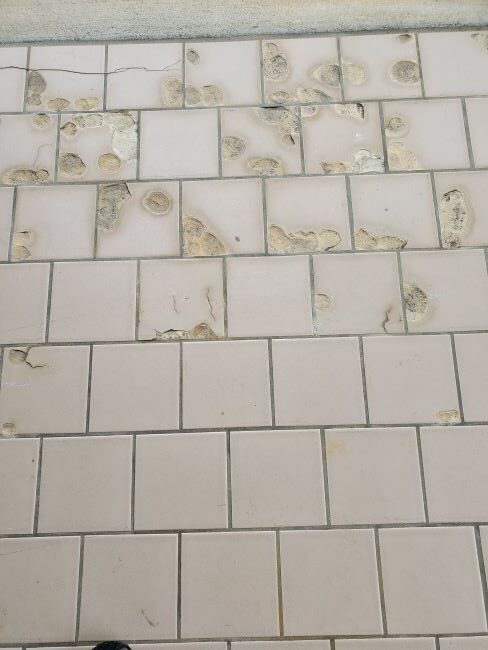
Porcelain tile that meets ANSI A137.1, American National Standard Specifications for Ceramic Tile, using the ASTM C373 water absorption test, requires that the tile’s water absorption must be 0.50% or less. This means that the tile can absorb just one half of one percent or less of its weight in water. This tile is safe to use in exterior locations that experience freeze-thaw situations.
A tile that does not meet this requirement may be suitable for exterior installations, but only if the tile manufacturer’s technical data sheet (TDS) recommends a particular tile for this environment. If the TDS does not specifically state that the tile can be used in freezing temperatures, it means that it can’t.
Movement accommodation
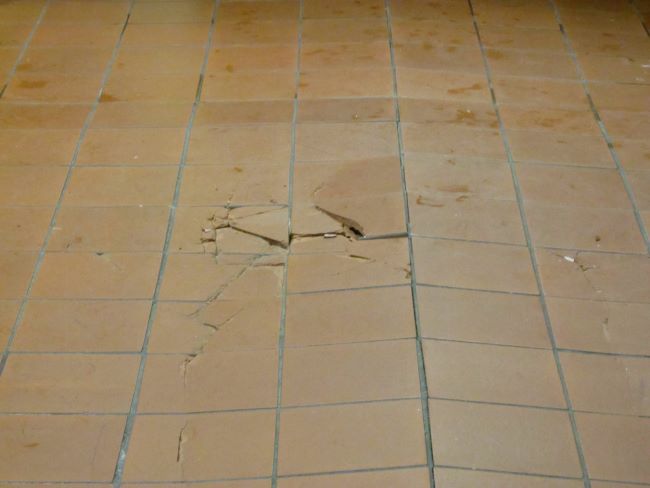
The Movement Joint Guidelines (EJ171) in the TCNA Handbook asserts that perimeter and field movement joints within a tile installation are essential and required. Exterior movement joints shall be a minimum of 3/8” for joints 8’ on center and a minimum 1/2” for joints 12’ on center. These exterior installations are more critical than interior joints to accommodate the temperature change from summer highs to winter lows, which can be greater than 100°F.
Maintenance
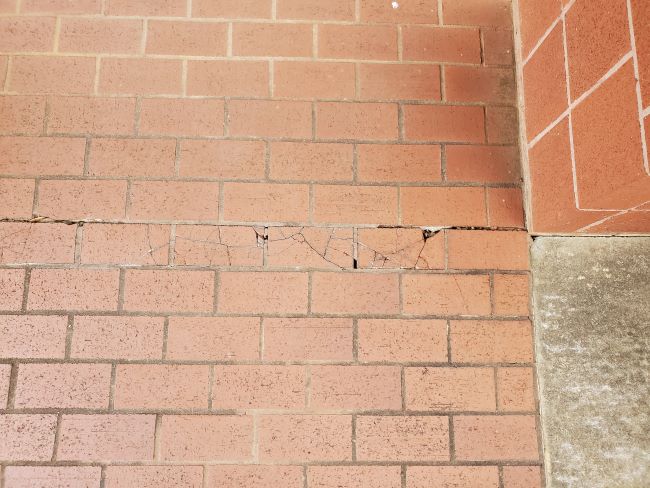
ANSI A108.02-6.0 in part states, “Exterior tile assemblies may require the periodic application or reapplication of hydrophobic sealers. Maintenance of movement joints, if required, is considered normal maintenance and is the responsibility of the owner. It is the owner’s responsibility to provide for routine inspection and appropriate maintenance.”
The above-mentioned installation procedures work well and will stand the test of time. However, if the standards, methods, and industry-accepted best practices are modified, overlooked, or ignored, the outcome may be in jeopardy. These guidelines have been established, tested, and approved by the tile industry and serve to successfully complete exterior installations. Know and consider these guidelines before bidding and accepting an exterior job that may deviate from what is known to function well. Always remember that these documents can be your best friend or your worst enemy. Use them wisely.

Scott Carothers
Scott Carothers is the Acdemic Director for the Ceramic Tile Education Foundation (CTEF) and is responsible for the creation of the Certified Tile Installer (CTI) program, and is involved in the creation of the Advanced Certifications for Tile Installers (ACT) program as well as providing training to others in the tile industry.
Carothers has been involved in the ceramic tile industry for nearly 40 years and was the owner of a successful retail and installation firm prior to CTEF. He has served as President and Chairman of the Board of the National Tile Contractors Association (NTCA), Chairman of the NTCA Technical Committee, was named the NTCA Tile Person of the Year in 2005, and the NTCA Ring of Honor recipient in 2013. He is a voting member of the ANSI and the TCNA Handbook committees.